
 By admin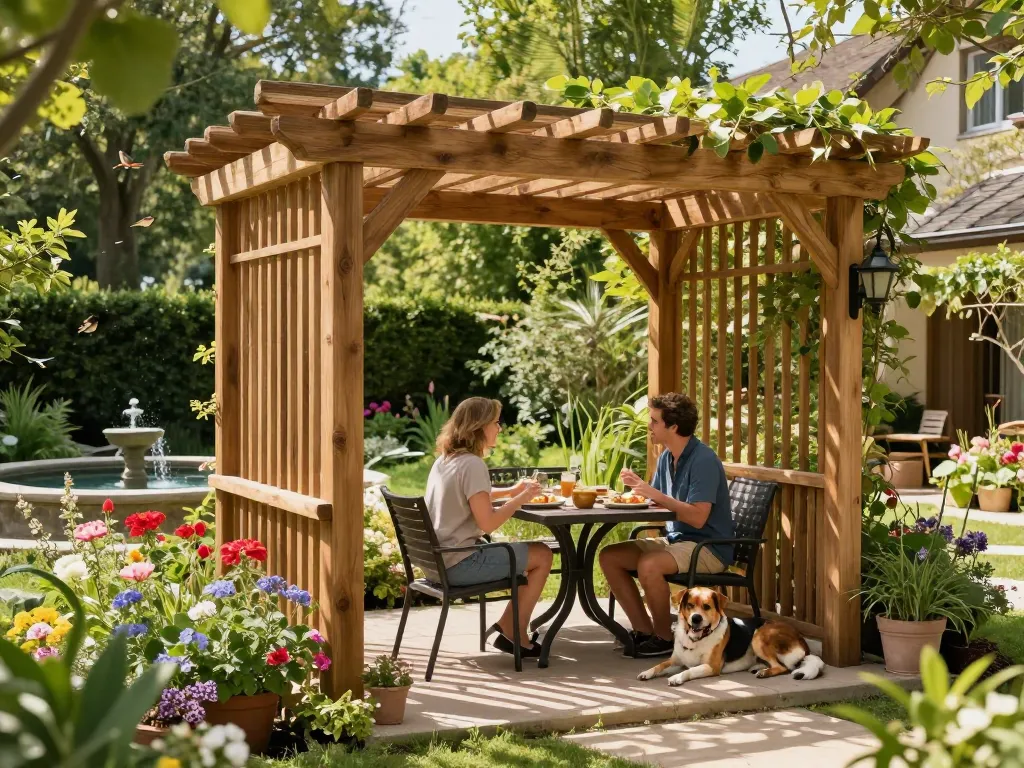
Understanding the Basics of 3D Pergolas
In the realm of outdoor design and architecture, the 3D pergola stands out as a versatile structure that elevates any backyard or garden. These innovative designs provide both aesthetic appeal and practical benefits, allowing homeowners to create personalized outdoor spaces that cater to their unique lifestyles. Whether you envision a tranquil retreat or an entertaining venue, understanding the foundations of 3D pergolas will help you make informed decisions about design and functionality. When exploring options, 3d pergola solutions offer comprehensive insights into customization and features that can meet your specific needs.
What is a 3D Pergola?
A 3D pergola is a structure that serves as an outdoor space cover, typically consisting of a framework of vertical posts and horizontal beams. Unlike traditional flat designs, 3D pergolas can feature various forms and configurations, often taking advantage of three-dimensional modeling to create more complex structures. This type of pergola can be customized in numerous ways, from the choice of materials to the style of the canopy, allowing homeowners to incorporate creative elements like lighting, drapes, or climbing plants.
Benefits of Using 3D Design for Pergolas
The primary advantage of utilizing 3D design for pergolas is the ability to visualize the final product before construction begins. Homeowners can experiment with different designs and configurations, ensuring that the structure not only complements their home but also fits within their outdoor environment. Additionally, 3D modeling can lead to more efficient use of materials and construction time, as it allows for precise measurements and planning.
- Enhanced Visualization: 3D models provide a realistic representation of what the completed pergola will look like.
- Design Flexibility: Various styles, sizes, and materials can be explored to create a unique outdoor structure.
- Improved Planning: Accurate measurements and designs can reduce waste and streamline the building process.
- Increased Value: A well-designed pergola can enhance property value and provide functional outdoor space.
Materials Commonly Used in 3D Pergola Construction
The choice of materials for constructing a 3D pergola can significantly impact both its aesthetic and durability. Common materials include:
- Wood: A classic choice that offers natural beauty; however, it requires regular maintenance to prevent rot and insect damage.
- Aluminum: Lightweight, rust-resistant, and low maintenance, aluminum is ideal for modern designs.
- Vinyl: A durable option that mimics the appearance of wood without the upkeep required.
- Steel: Provides strength and longevity, often used in contemporary and industrial designs.
Choosing the Right Design for Your 3D Pergola
Selecting the appropriate design for your 3D pergola involves considering both functional needs and stylistic preferences. A well-chosen design will enhance your outdoor experience while ensuring that the structure integrates seamlessly with your property’s existing features.
Popular Styles of 3D Pergolas in 2026
As outdoor living spaces continue to evolve, several pergola styles have gained popularity in 2026:
- Modern Minimalist: Characterized by clean lines and simplicity, this style emphasizes functionality and often incorporates metals and glass.
- Rustic Elegance: Utilizing natural wood and organic shapes, these pergolas evoke a warm, inviting atmosphere.
- Garden Canopy: Designed to blend with the natural landscape, garden canopies often feature climbing plants and a more organic form.
- Multi-Level Designs: These intricate structures incorporate varying heights and levels, adding depth and interest to outdoor spaces.
Customization Options for Your 3D Pergola
Customization is one of the defining features of modern 3D pergolas. Homeowners can tailor various elements to suit their needs:
- Size: Adjust dimensions to fit small patios or expansive gardens.
- Roof Styles: Choose from slatted, solid, or adjustable roofs that provide varying levels of sunlight and shade.
- Color and Finish: Select finishes that match the home’s style or create a contrasting aesthetic.
- Accessories: Incorporate lighting, fans, or even outdoor heating elements to enhance usability.
Incorporating Lighting and Accessories into Design
Enhancing your 3D pergola with lighting and accessories can significantly improve its functionality and ambiance:
- Lighting: String lights, LED fixtures, or sconces can create a cozy atmosphere and extend the usability of the space into the night.
- Fans: Installing outdoor fans can provide cooling breezes and enhance comfort during warmer months.
- Privacy Screens: Adding curtains or screens will allow for private gatherings and block wind or sun.
Practical Steps to Build a 3D Pergola
Once you’ve opted for a design, executing the project requires careful planning and preparation. Here are the necessary steps to build your very own 3D pergola.
Step-by-Step Guide to Planning Your 3D Pergola
Building a 3D pergola begins with thorough planning:
- Define Purpose: Determine how you intend to use the pergola, whether for dining, relaxation, or landscaping.
- Select Location: Choose a suitable site that is level and meets your aesthetic and functional goals.
- Consult Local Regulations: Check if any permits or regulations apply to your project.
Essential Tools and Materials Needed
Gathering the right tools and materials is crucial for a successful build:
- Tools: Circular saw, drill, level, post hole digger, and measuring tape.
- Materials: Selected wood, aluminum, or other construction material, concrete for post supports, and screws or bolts.
Tips for a Successful Installation
To ensure that your installation goes smoothly, consider these tips:
- Pre-drill holes for screws to avoid splitting the material.
- Use a level throughout the assembly to ensure uniformity.
- Enlist help from friends or family for holding pieces steady during assembly.
Maintaining Your 3D Pergola
Proper maintenance is critical to extending the life of your 3D pergola. By following these practices, you can keep your structure looking good and functioning well.
Common Maintenance Practices for Longevity
Regular maintenance helps preserve the appearance and integrity of your pergola:
- Cleaning: Remove debris and dirt with a soft brush and water regularly.
- Sealing: Apply sealant or wood preservative to wooden pergolas to protect against moisture and insects.
- Inspecting: Regularly check for signs of wear, such as rust on metal parts or rot in wooden elements.
Seasonal Preparations for Your 3D Pergola
Seasonal changes can have an impact on your pergola’s condition:
- Winter: Remove snow accumulation to prevent structural strain or damage.
- Spring: Conduct a thorough check after winter; repair any damages or deteriorated areas.
Repairing and Renovating: When to Replace Parts
Over time, some parts of your pergola may require repairs or replacement:
- Assess Damage: Evaluate the condition of joints, beams, and the roof.
- Replacement Parts: Order replacement parts if needed; most manufacturers provide options for repairs.
Future Trends in 3D Pergola Design
As technology continues to advance, 3D pergola design is expected to evolve, incorporating new features and materials.
Emerging Technologies in 3D Design
Emerging technologies in 3D modeling and visualization are revolutionizing pergola design:
- Augmented Reality (AR): AR tools will allow homeowners to visualize their pergola designs directly within their outdoor space before making decisions.
- 3D Printing: This technology could enable custom parts to be printed on demand, reducing waste and improving customization.
Eco-Friendly Materials and Sustainable Practices
With increasing awareness of sustainability, materials and practices are shifting towards eco-friendliness:
- Recycled Materials: Options such as composite lumber made from recycled plastics are gaining popularity for their durability and low environmental impact.
- Sustainable Sourcing: Using sustainably sourced wood and other materials ensures responsible forestry practices.
How 3D Pergolas Will Evolve Beyond 2026
Looking ahead, 3D pergolas are likely to incorporate smart technology:
- Smart Features: Integration of smart lighting and automated shading systems will enhance user experience and energy efficiency.
- Advanced Design Software: New software tools will allow for even more complex and personalized designs, catering to the modern homeowner’s needs.
What are the average costs of a 3D pergola?
The cost of a 3D pergola varies widely based on materials, size, and complexity of design. On average, homeowners can expect to invest between $2,000 to $8,000, depending on customization options.
Can I design a 3D pergola online?
Yes, many platforms offer online design tools that allow you to create and visualize your own 3D pergola, making the planning process easier and more interactive.
What materials are best for outdoor pergolas?
The best materials for outdoor pergolas include durable wood (like cedar or redwood), aluminum for modern styles, and sustainable composite materials that provide longevity without heavy maintenance.
Do I need a permit for building a pergola?
Depending on local regulations, a permit may be required for building a pergola, especially if it exceeds certain height or size limits. Always check with local authorities before construction.
How can I enhance my pergola with decor?
Enhancing your pergola can be achieved through various decorative elements such as outdoor furniture, climbing plants, string lights, and decorative curtains that create a cozy, inviting atmosphere.
