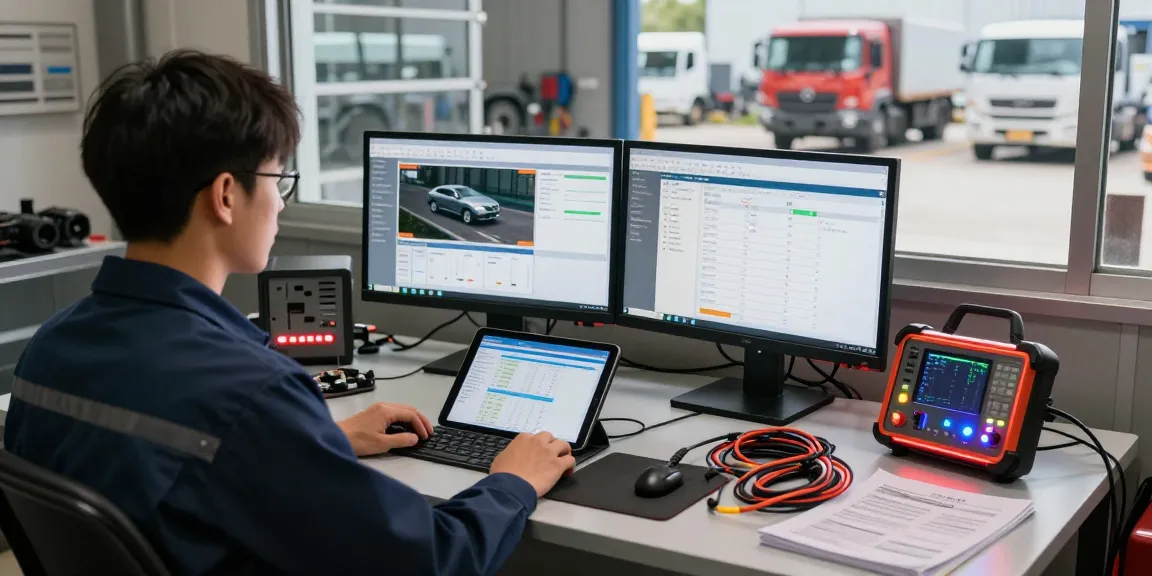
Understanding JPRO Software and Its Benefits
In the rapidly evolving world of automotive technology, staying updated with reliable diagnostic tools is crucial for automotive technicians. One such tool that stands out is JPRO Software. Designed specifically for heavy-duty and medium-duty vehicles, JPRO Software enhances the efficiency of diagnostics, ensuring that technicians can accurately identify and resolve issues across various makes and models. This article delves into the nuances of JPRO Software, from its core features to practical applications and future trends, providing automotive professionals with a comprehensive resource to leverage in their work. When exploring options, jpro software provides comprehensive insights into vehicular diagnostics.
What is JPRO Software?
JPRO Software is an advanced diagnostic application developed by Noregon Systems. It caters to the needs of automotive technicians by providing a unified platform for diagnosing commercial vehicles and off-highway equipment. By integrating multiple functionalities, JPRO simplifies the diagnostic process, allowing for rapid fault detection and troubleshooting across various vehicle systems.
Key Features and Functionalities
JPRO Software packs a myriad of features designed to streamline vehicle diagnostics. Some of its key functionalities include:
- Comprehensive Vehicle Coverage: JPRO is compatible with numerous truck makes and models, offering extensive diagnostic capabilities irrespective of the vehicle type.
- Real-Time Data Access: The software provides instantaneous access to vehicle data, allowing technicians to monitor engine parameters, fault codes, and performance metrics in real-time.
- Guided Diagnostics: For users of varying skill levels, its guided features help in systematically diagnosing issues, complete with troubleshooting steps and diagrams.
- Enhanced Troubleshooting Tools: JPRO includes advanced tools such as repair procedures, wiring diagrams, and component location information, which are invaluable for effective diagnosis and repairs.
- Multi-System Diagnostics: It allows for simultaneous diagnostics across multiple vehicle systems, significantly reducing troubleshooting time.
Benefits for Automotive Technicians
The benefits of using JPRO Software extend beyond mere diagnostics. For automotive technicians, the application offers:
- Increased Efficiency: By drastically reducing the time spent on diagnostics, technicians can optimize their workflow, allowing for more repairs and less downtime.
- Cost Savings: Accurate diagnostics prevent unnecessary repairs, saving both technicians and customers money. Early detection of problems can help avoid costly breakdowns.
- Improved Customer Satisfaction: Faster turnaround times and effective communication about vehicle issues enhance the customer experience, leading to higher satisfaction and repeat business.
- Ongoing Training and Support: Noregon regularly updates JPRO Software, ensuring that technicians are equipped with the latest diagnostic capabilities and resources.
Getting Started with JPRO Software
System Requirements and Installation
Before diving into the diagnostics, it’s essential to ensure that your setup is ready for JPRO Software. The system requirements are relatively straightforward:
- Operating System: Windows 10 or newer
- Processor: Minimum 2.0 GHz dual-core processor
- Memory: At least 4 GB of RAM
- Storage: 10 GB of available disk space
- USB Port: Required for connecting to vehicles
The installation process is user-friendly, typically involving a simple download and installation procedure. Once installed, users can activate the software using a valid license key.
Initial Configuration and Setup
After installation, the initial configuration is crucial for optimal performance. Here are steps to effectively configure your JPRO Software:
- Launch the software and complete the initial setup wizard, which guides you through the basic settings.
- Connect your vehicle interface (DLA+ or similar) to your computer.
- Ensure that the software recognizes the hardware by checking the connection in the settings menu.
- Regularly check for software updates to ensure access to the latest features and enhancements.
Connecting Vehicles and Running Diagnostics
Connecting your vehicle to JPRO Software is straightforward. Once your vehicle interface is correctly set up:
- Ensure that the vehicle is turned on and properly connected to the diagnostic tool.
- Open JPRO Software and select the “Connect” option to initiate vehicle communication.
- Once connected, navigate through the dashboard to view real-time data, diagnostic trouble codes (DTCs), and other vital information.
The software will automatically read data from all connected modules, allowing for a comprehensive overview of the vehicle's health.
Best Practices for Using JPRO Software
Maximizing Diagnostic Accuracy
To harness the full potential of JPRO Software, technicians should adhere to several best practices:
- Regular Updates: Keep the software updated to benefit from the latest features and vehicle coverage enhancements.
- Thorough Training: Engage with training resources offered by Noregon to maximize your understanding of the software’s capabilities.
- Follow Diagnostic Procedures: Always adhere to systematic diagnostic processes to avoid overlooking critical issues.
Common Mistakes to Avoid
While using JPRO Software can enhance diagnostics, some common pitfalls might undermine its effectiveness:
- Not Updating the Software: Failing to perform regular updates can lead to outdated diagnostics and potential misdiagnoses.
- Skipping System Checks: Rushing through checks can result in missing crucial data that could lead to accurate fixes.
- Ignoring User Manuals: Each vehicle may have specific diagnostic procedures; ignoring these could lead to incomplete diagnostics.
How to Interpret Diagnostic Results Effectively
Interpreting results from JPRO Software requires a keen understanding of the data presented. Here are tips to enhance your interpretive skills:
- Understand Fault Codes: Familiarize yourself with common DTCs and their meanings to quickly identify issues.
- Combine Data: Look at multiple parameters together for a holistic view of vehicle performance.
- Use Available Resources: Leverage JPRO’s integrated repair guides and troubleshooting resources to aid in interpreting results.
Case Studies: Real-World Applications of JPRO Software
Successful Fleet Management Examples
JPRO Software has been pivotal in fleet management for various companies. For instance, a logistics company reported a 30% reduction in diagnostic times after integrating JPRO Software into their operations, leading to better resource allocation and improved uptime.
Improving Repair Turnaround Time
Another case involved an independent repair shop that leveraged JPRO to enhance its service offerings. The shop reported that JPRO enabled them to diagnose complex issues quicker, resulting in a 25% improvement in repair turnaround times, significantly boosting customer satisfaction.
Customer Testimonials and Feedback
Users frequently commend JPRO Software for its intuitive interface and comprehensive diagnostic coverage. A technician noted, "The user-friendly navigation and detailed reports save me time and allow me to focus on getting customers back on the road quickly." Such testimonials highlight the software's valuable role in modern automotive diagnostics.
Future Trends and Developments in Automotive Diagnostics
Emerging Technologies Impacting JPRO
The future of automotive diagnostics will likely be driven by emerging technologies such as artificial intelligence and machine learning. These advancements may enhance predictive diagnostics, allowing JPRO Software to not only identify existing faults but also predict potential future problems based on data trends.
Predictions for 2026 and Beyond
As technology continues to evolve, JPRO Software is expected to incorporate advanced analytics and integration with other software tools, enabling technicians to benefit from even more comprehensive vehicle insights. Predictions for 2026 suggest a greater reliance on cloud-based solutions, which could streamline data sharing and improve collaboration among automotive professionals.
Preparing for Technological Advances
For technicians and fleet managers, staying ahead of the curve will require ongoing education and adaptation to new tools and technologies. Engaging in training programs and workshops will be essential to maximizing the benefits offered by advanced diagnostic software like JPRO.
How much does J Pro cost?
The pricing for JPRO Software varies based on the package and licensing options chosen. Generally, a single-user license can range from $1,300 to $1,500, with additional costs for updates and technical support.
Is JPro free to use?
JPRO Software is not free; it requires a purchase of a license to access its features. However, some trial versions may be available, allowing users to explore the software before committing.
What does JPro software do?
JPRO Software serves as a comprehensive diagnostic tool for heavy-duty and medium-duty vehicles, enabling technicians to perform fault code reading, diagnostics, troubleshooting, and accessing repair information efficiently.