Understanding the Basics of Gardening
Gardening is more than just a hobby; it's a way to connect with the earth and cultivate life in a myriad of forms. For both novice and experienced gardeners alike, the act of planting, nurturing, and harvesting plants can be incredibly fulfilling. As we delve into the intricacies of creating a garden, we will explore various aspects that contribute to a thriving green space. When exploring options, Garden enthusiasts can find comprehensive insights on how to embark on their gardening journey effectively.
What Defines a Garden?
A garden is traditionally defined as a planned space, often outdoors, dedicated to the cultivation, display, and enjoyment of plants, flowers, and sometimes even vegetables. However, gardens can take many forms—from formal landscapes with symmetrical layouts to wildflower patches that embrace nature's unpredictability. The essence of a garden is its ability to promote biodiversity and provide a sanctuary for both flora and fauna. Moreover, gardens serve as spaces for relaxation, recreation, and education, making them vital components of our living environments.
Types of Gardens: Choosing the Right One
Choosing the right type of garden depends on available space, climate, and personal preferences. Here are a few popular types:
- Vegetable Gardens: Designed for growing food, these gardens can range from small plots to expansive fields.
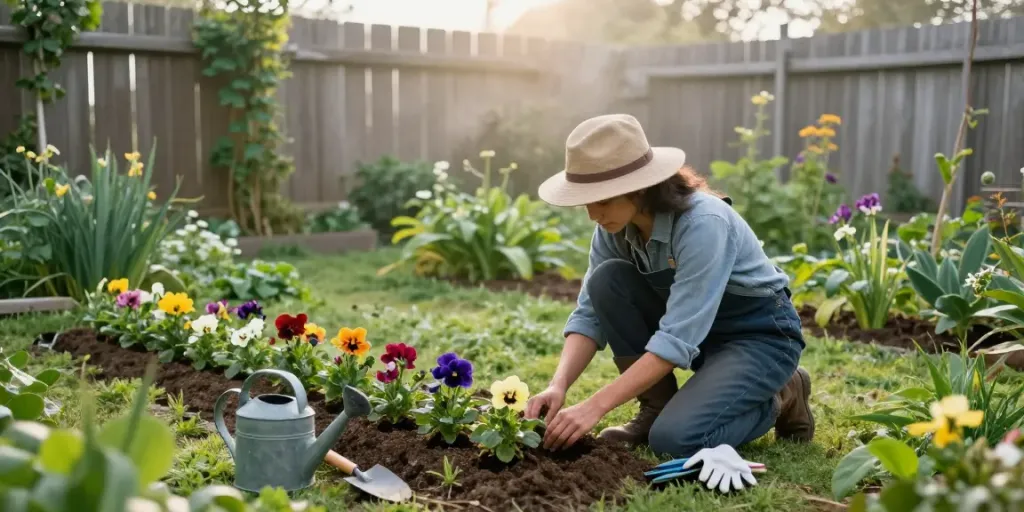
- Flower Gardens: Focused on aesthetic appeal, they often feature a wide variety of seasonal blooms.
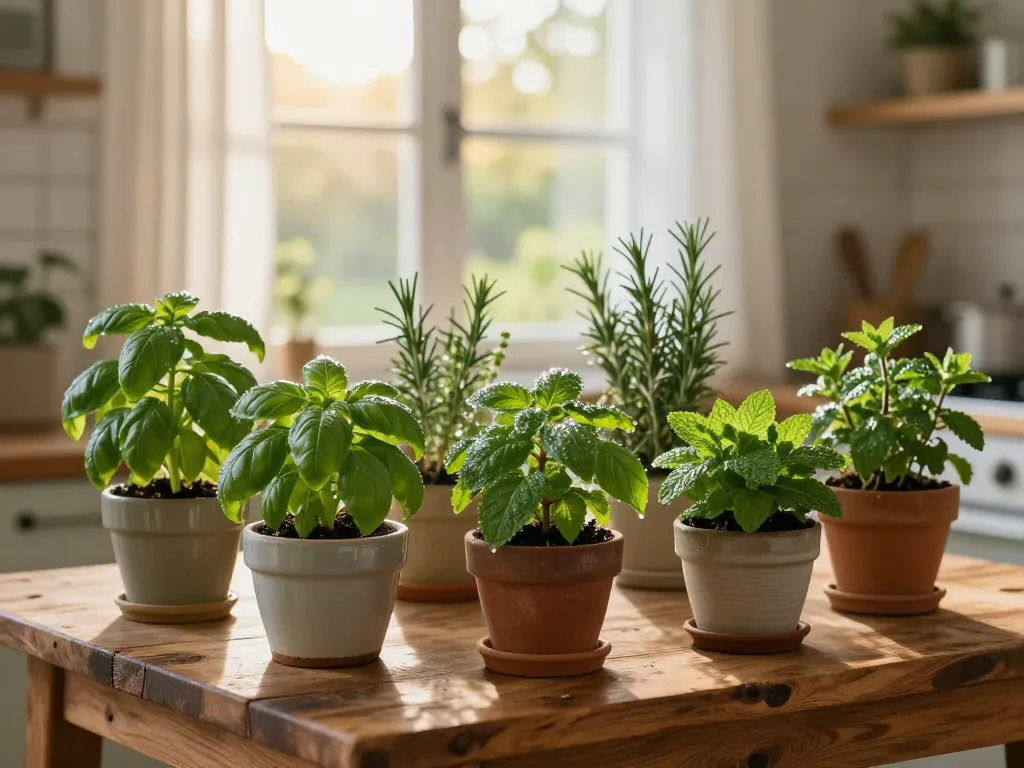
- Herb Gardens: These are excellent for culinary uses and can thrive in small spaces, making them perfect for urban gardeners.
- Container Gardens: Ideal for those with limited space, these gardens utilize pots and planters to grow plants.
- Rock Gardens: Incorporating stones and gravel, these gardens are suitable for drought-resistant plants.
Planning Your Garden Layout
Effective garden planning is crucial for maximizing space and ensuring healthy plant growth. This involves several steps, including deciding on the layout, selecting suitable plants, and understanding environmental factors.
Deciding on Garden Size and Location
The size of your garden largely depends on your available space and gardening ambitions. Whether you have a sprawling backyard or a small balcony, there’s always potential for a garden. Consider the sunlight, wind patterns, and proximity to water sources when selecting a location for your garden. These factors can significantly impact the growth and health of your plants.
Importance of Soil Testing and Preparation
Before planting, soil preparation is essential. Testing your soil can help you understand its nutrient content and pH levels. Most plants thrive in well-draining soil rich in organic matter. If your soil is lacking, consider adding compost or fertilizers to boost its fertility. Proper soil preparation lays the foundation for robust plant growth and helps prevent common gardening pitfalls.
Designing Garden Pathways and Borders
Garden pathways and borders not only enhance the visual appeal of your space but also improve accessibility and maintenance. Pathways can be made from various materials, such as gravel, bricks, or mulch, and should allow easy movement through the garden. Borders, whether made from flower beds or decorative fencing, can delineate different sections and support the overall design aesthetic.
Plant Selection and Care
Choosing the right plants for your garden is one of the most important steps in this process. The selection should reflect your preferences, gardening goals, and the local climate.
Choosing the Right Plants for Your Climate
Understanding your hardiness zone is essential when selecting plants. A hardiness zone is determined by the average minimum winter temperatures, which can significantly affect plant survival. Native plants are often a great choice, as they are adapted to local conditions and require less maintenance.
Tips for Seasonal Planting and Rotation
Seasonal planting and crop rotation are vital for maintaining soil health and preventing pest infestations. Consider planting cool-season crops in early spring and warm-season crops in the summer. Rotating plants helps maintain nutrient levels and minimizes disease spread by not allowing pests to become established in a particular area.
Common Plant Diseases and Pest Management
Identifying common diseases and pests is crucial for preventing damage to your garden. Regularly check your plants for signs of trouble, such as discoloration or wilting. Integrated Pest Management (IPM) offers strategies for minimizing chemical use by promoting beneficial insects and implementing physical barriers.
Watering and Maintenance Strategies
Consistent watering and maintenance are key to keeping your garden healthy and vibrant throughout the seasons. Learning about different watering techniques and maintenance tasks can significantly improve your gardening skills.
Effective Watering Techniques for Gardens
Watering should be done early in the morning or late in the afternoon to minimize evaporation. Drip irrigation systems can be particularly effective, delivering water directly to the plant roots and conserving water. Always aim to keep the soil consistently moist but not waterlogged.
Mulching Benefits and Methods
Mulching serves multiple purposes in gardening. It helps retain soil moisture, suppresses weeds, and can even enhance soil quality as it decomposes. Organic mulches, such as straw or wood chips, are often favored for their added nutrients.
Pruning and Grooming Plants for Health
Regular pruning encourages healthy growth and flowering. It’s essential to understand which plants require pruning and the appropriate times to do so. Removing dead or diseased branches not only improves the plant's health but also enhances the overall aesthetics of your garden.
Trends in Gardening for 2026
The world of gardening is ever-evolving, with new trends emerging that reflect changes in society, technology, and environmental considerations. Here’s what to look out for in 2026.
Indoor Gardening: Bringing Nature Inside
With urbanization on the rise, indoor gardening has become increasingly popular. People are creating indoor green spaces using houseplants, vertical gardens, and hydroponic systems. These practices not only enhance air quality but also contribute to mental well-being.
Eco-Friendly Gardening Practices
Sustainable gardening practices are gaining traction as more gardeners seek to minimize their environmental impact. Techniques like permaculture, organic gardening, and using native plants help foster biodiversity while reducing the need for chemicals.
Utilizing Technology in Modern Gardening
Technology is playing a significant role in gardening. Smart watering systems, garden apps, and plant monitoring devices help gardeners manage their spaces more effectively. These tools can optimize plant care, making gardening more accessible and efficient for all.