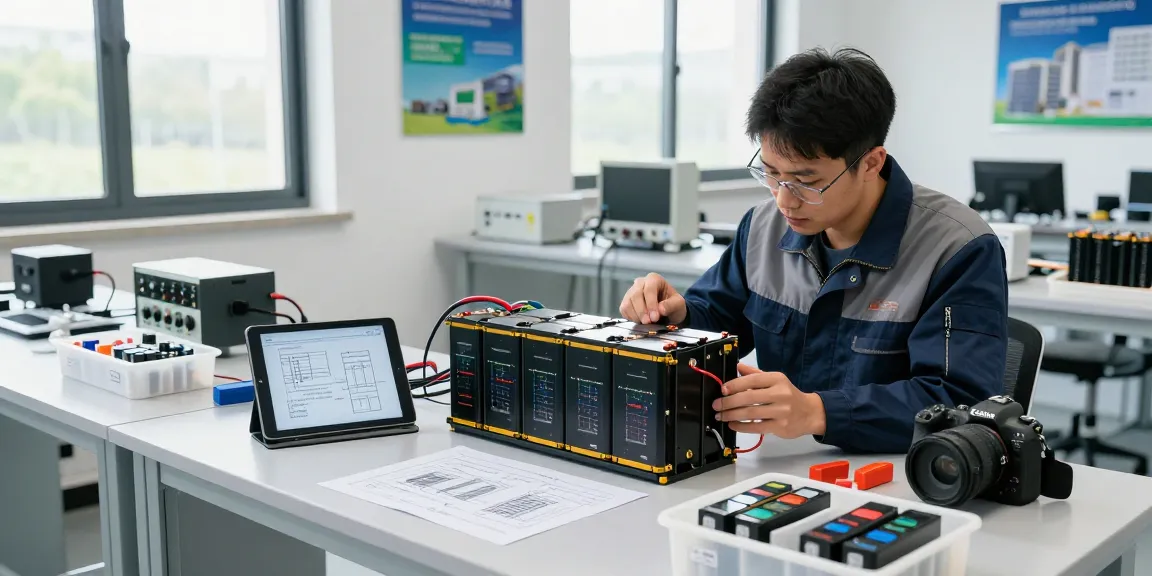
Understanding Batterie Lifepo4 Technology
Batterie Lifepo4, or lithium iron phosphate batteries, have emerged as a transformative technology in various sectors, from electric vehicles to renewable energy storage. Known for their safety, longevity, and eco-friendliness, these batteries present a unique value proposition over traditional lithium-ion batteries. As industries continue to innovate, understanding the nuances of batterie Lifepo4 technology is crucial for maximizing performance and application effectiveness. When exploring options, batterie lifepo4 provides comprehensive insights into this cutting-edge technology.
What is Batterie Lifepo4?
Batterie Lifepo4 is a type of rechargeable lithium battery that uses lithium iron phosphate as its cathode material. This construction grants it a high thermal stability, thus reducing the risk of fire and explosion often associated with other lithium batteries. The battery's unique chemistry also enhances its charge and discharge efficiency, making it suitable for a variety of applications. Lifepo4 batteries boast a nominal voltage of 3.2 volts per cell, distinguishing them from other lithium technologies, which typically deliver around 3.7 volts.
Benefits of Using Batterie Lifepo4
The benefits of batterie Lifepo4 are considerable, especially in applications requiring reliability and safety:
- Enhanced Safety: The thermal stability of Lifepo4 batteries minimizes the risk of overheating and combustion, making them a safer choice for various applications.
- Longevity: With a life cycle often exceeding 2000 charge cycles, these batteries generally last longer than their lithium-ion counterparts, making them a cost-effective long-term solution.
- Environmental Impact: Lifepo4 batteries are less toxic and more environmentally friendly, making them suitable for sustainability-focused projects.
- High Efficiency: They offer excellent performance in terms of energy efficiency, with minimal energy loss during charging and discharging processes.
- Robust Performance: These batteries deliver consistent power output, ensuring that applications like electric vehicles and solar energy systems operate reliably.
Common Misconceptions About Batterie Lifepo4
Despite their advantages, several myths surround batterie Lifepo4 technology. One such misconception is that all lithium batteries are the same. In reality, variations in chemistries lead to significant differences in performance, efficiency, and safety. Another common belief is that Lifepo4 batteries are heavier and bulkier than other lithium options. While they do tend to be denser, their size-to-capacity ratio has improved, making them more adaptable for various applications.
Identifying Potential Setbacks
Common Challenges in Batterie Lifepo4 Systems
While batterie Lifepo4 technology offers many benefits, users may encounter several challenges:
- Initial Cost: The upfront investment for batterie Lifepo4 systems can be higher than traditional battery types, which may deter some users.
- Charging Protocol Requirements: These batteries require specific charging protocols to maximize their lifespan, which can complicate their integration into existing systems.
- Temperature Sensitivity: While generally more stable, Lifepo4 batteries can still be affected by extreme temperatures, impacting performance.
- Limited Availability: Depending on the region, access to high-quality Lifepo4 batteries can be less widespread compared to traditional batteries.
How Environmental Factors Affect Performance
Environmental conditions play a significant role in the performance of batterie Lifepo4. Extreme temperatures can lead to decreased efficiency and capacity. It is essential to store and operate these batteries within the recommended temperature ranges to ensure optimal performance. Moreover, humidity and altitude can also affect battery behavior, particularly with respect to charge and discharge rates.
Signs Your Batterie Lifepo4 May Be Failing
Identifying when a batterie Lifepo4 is failing is crucial for maintaining system performance. Common indicators of battery failure include:
- Decreased Capacity: A notable decline in how much energy the battery can hold should prompt an evaluation.
- Rapid Self-Discharge: If the battery loses its charge quickly when not in use, it may indicate a failure.
- Physical Damage: Any visible swelling, leakage, or corrosion signals potential malfunction.
- Poor Performance: If your devices powered by the battery show signs of extreme voltage fluctuations or shutdowns, it may be time to replace the battery.
Effective Strategies for Recovery
Steps to Troubleshoot Batterie Lifepo4 Issues
When troubleshooting batterie Lifepo4 problems, first assess the battery's physical condition for any obvious signs of damage. Next, check the connections and terminals to ensure they are clean and secured. Monitor the battery's performance by observing charge times and consumption rates to identify any inconsistencies. If these checks do not resolve the issues, consult the manufacturer's guidelines or guidelines for specific troubleshooting steps.
Best Practices for Maintenance and Care
To prolong the lifespan of your batterie Lifepo4, follow these best practices:
- Regular Charging: Ensure the battery is charged according to its specifications to maintain optimal performance and avoid deep discharge, which can lead to failure.
- Temperature Control: Store and operate the battery within specified temperature ranges to prevent performance loss.
- Periodic Cleanliness: Keep terminals and connections free of dirt or corrosion to maintain good electrical contact.
- Monitoring Tools: Use battery management systems (BMS) to oversee the health and status of your batterie Lifepo4 continuously.
When to Seek Professional Assistance
If troubleshooting efforts fail to yield results, or if you notice signs of battery failure mentioned previously, it is advisable to seek professional help. Experts can provide insights into complex issues that require specialized knowledge, such as capacity degradation testing and internal damage analysis. Additionally, they can offer replacement or recycling options in compliance with environmental regulations.
Real-World Case Studies
Successful Recovery Stories with Batterie Lifepo4
There are numerous success stories illustrating the recovery of systems that faced challenges with batterie Lifepo4. For instance, a renewable energy company faced reduced efficiency due to battery failures in their grid storage systems. By implementing a rigorous maintenance schedule and utilizing battery monitoring technology, they improved performance and extended the lifespan of their batteries significantly.
Lessons Learned from Battery Failures
Examining failures in batterie Lifepo4 applications provides valuable insights. One notable lesson was from a manufacturer of electric vehicles, which experienced power drop-offs during peak demand. The analysis revealed shortcomings in their thermal management system affecting battery performance. As a result, they revamped their design, incorporating more effective cooling mechanisms, which greatly optimized battery output.
Industry Examples of Innovation Following Setbacks
Setbacks in batterie Lifepo4 technology can often lead to groundbreaking innovations. A key example is the increase in hybrid systems, combining batterie Lifepo4 with other energy storage solutions. This hybridization allows users to capitalize on the strengths of multiple battery types, enhancing overall efficiency and reliability.
The Future of Batterie Lifepo4
Emerging Trends in Battery Technology for 2026
The trajectory of batterie Lifepo4 technology points toward significant advancements in the coming years. In 2026, trends are expected to lean toward increased energy density, improved charging speeds, and enhanced recyclability. As researchers explore new materials and compositions, the performance of Lifepo4 batteries will continue to evolve, meeting the growing demands of various sectors.
Innovations on the Horizon for Batterie Lifepo4
Future innovations may include advancements in battery management systems, artificial intelligence for predictive maintenance, and integration with smart grid technology. These innovations aim to maximize the efficiency and safety of batterie Lifepo4, ensuring they retain their position as a premier choice for energy storage solutions.
Preparing for Future Challenges in Energy Storage
As industries confront growing energy demands, preparing for future challenges involves investing in research, sustainable practices, and robust infrastructure. Stakeholders must remain adaptable, embracing emerging technologies that enhance batterie Lifepo4 efficiency, sustainability, and safety. In doing so, they will pave the way for a greener energy future.
What are the advantages of batterie lifepo4 over other battery types?
Batterie Lifepo4 offers numerous advantages over standard lithium-ion and lead-acid batteries, including enhanced safety features, longer life cycles, and better thermal stability. These qualities enable them to withstand harsher conditions while providing consistent performance across various applications.
How can I improve the lifespan of my batterie lifepo4?
To extend the life of your batterie Lifepo4, adhere to recommended charging protocols, maintain proper storage conditions, and conduct regular maintenance. Utilizing a battery management system can also help track performance metrics and prevent potential issues.
What common mistakes should I avoid with batterie lifepo4?
Avoid deep discharging, exposing the battery to extreme temperatures, and neglecting maintenance routines. Additionally, do not use improper charging methods, as these can significantly reduce battery life and performance.
How do I know when to replace my batterie lifepo4?
Indicators for battery replacement include noticeable reductions in capacity, increased self-discharge rates, and physical deformities. Regular monitoring and performance assessments will also help identify the right time for replacement.
What are the latest advancements in batterie lifepo4 technology?
Recent advancements in batterie Lifepo4 technology focus on improving energy density, reducing weight, and enhancing recycling techniques. Such developments aim to streamline manufacturing processes and develop smarter battery management systems.