The Importance of Quality in Mobile Tempered Glass Wholesale
As the mobile accessories market continues to grow, the demand for high-quality mobile tempered glass has surged. Retailers need to ensure that they are sourcing products that not only meet consumer expectations but also enhance their brand reputation. When exploring options, Mobile Tempered Glass Wholesale suppliers can provide comprehensive insights to help make informed purchasing decisions. In this highly competitive landscape, understanding the importance of quality in mobile tempered glass wholesale is critical for long-term success.
Why Quality Matters for Retailers?
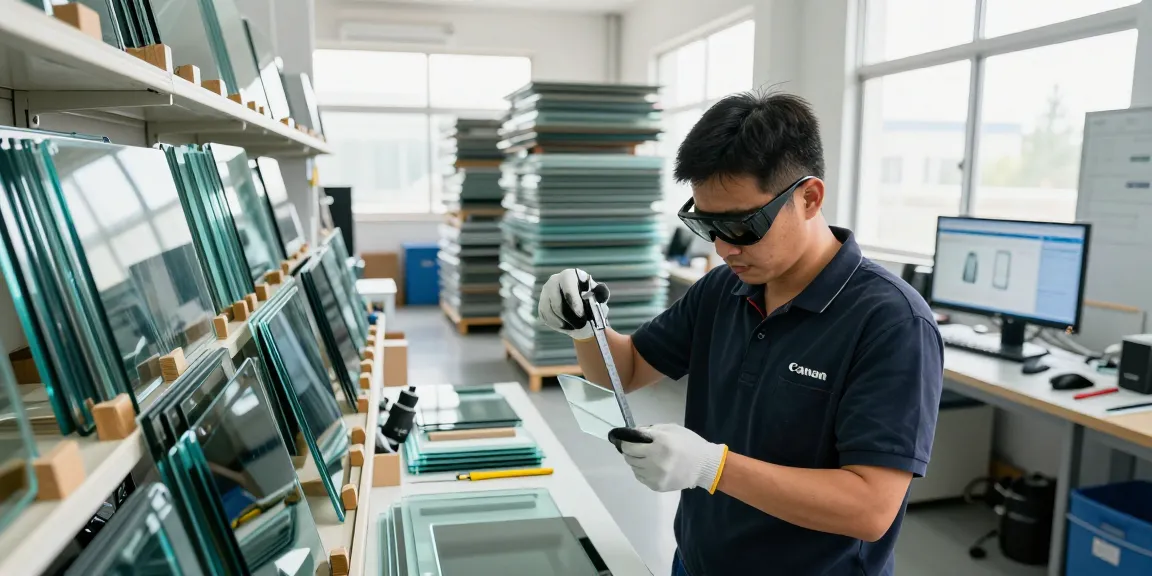
Quality is paramount in the mobile tempered glass industry for several reasons. High-quality products lead to higher customer satisfaction, which can directly affect customer loyalty and repeat purchases. Retailers who offer inferior products may face returns, negative reviews, and a tarnished reputation. Furthermore, as consumers become more knowledgeable about product specifications, the expectation of quality rises. For retailers, investing in quality tempered glass can also lead to fewer warranty claims and better profit margins in the long run.
Common Quality Issues in Wholesale Supply
Wholesale suppliers sometimes face challenges in maintaining consistent quality. Common issues include:
- Inconsistent Thickness: Variations in thickness can affect durability and protection levels.
- Poor Adhesion: Inferior adhesive quality can lead to bubbling or peeling over time.
- Scratches and Defects: Scratched surfaces or manufacturing defects can ruin the user experience.
Addressing these issues is crucial for maintaining both product integrity and customer trust.
Best Practices for Ensuring High-Quality Products
To ensure that retailers receive high-quality mobile tempered glass, consider implementing the following best practices:
- Supplier Vetting: Thoroughly research suppliers and demand samples to assess quality.
- Quality Control Procedures: Establish clear quality control protocols that suppliers must adhere to.
- Regular Audits: Conduct regular quality audits to ensure compliance with quality standards.
These practices can help mitigate risks and ensure a steady supply of quality products.
Understanding Market Trends in 2026
Keeping abreast of market trends is vital for retailers looking to stay competitive in the mobile tempered glass space. As we move into 2026, several key trends are emerging that are shaping the landscape of this industry.
Emerging Trends in Mobile Tempered Glass
In 2026, the demand for innovative materials and responsive designs in mobile tempered glass is expected to increase. Consumers are looking for glass that not only provides excellent protection but also enhances their device’s aesthetic appeal. Trends such as anti-fingerprint coatings, blue light filtering, and even customizable designs are gaining traction.
Consumer Preferences and Specifications
Today’s consumers are more informed and have specific preferences regarding mobile tempered glass. They seek products that meet certain specifications, including:
- High Transparency: Consumers want clear protection that doesn't detract from their device's display.
- Scratch Resistance: Higher durability to prevent everyday wear and tear is a must.
- Easy Installation: Retailers offering hassle-free application methods often win consumer favor.
Understanding these preferences can drive product offerings and marketing strategies for retailers.
Impact of Technology on Manufacturing Processes
The evolution of technology is significantly impacting the manufacturing processes of mobile tempered glass. Advancements in automation and quality inspection technologies are leading to better precision and consistency in production. Moreover, the introduction of sustainable materials is becoming a priority, as consumers increasingly favor environmentally friendly options.
These technological improvements can offer a competitive edge to retailers willing to incorporate them into their supply chains.
Cost Factors and Pricing Strategies
Understanding the costs involved in producing mobile tempered glass is crucial for retailers aiming to manage budgets effectively. Various cost factors play a role in pricing strategies that can determine competitive advantage.
Analyzing the Cost of Mobile Tempered Glass Production
The production cost of mobile tempered glass can vary based on several factors, including raw material prices, labor costs, and manufacturing technology. Retailers need to evaluate these cost components to set competitive pricing while ensuring profitability. Bulk buying and long-term contracts can also provide cost advantages that should not be overlooked.
Pricing Strategies for Competitive Advantage
Several pricing strategies can be employed to establish a competitive edge in the wholesale market:
- Penetration Pricing: Initially setting lower prices to attract customers and build market share.
- Value-Based Pricing: Setting prices based on perceived value rather than solely on production costs.
- Dynamic Pricing: Adjusting prices based on demand fluctuations and market trends.
By carefully analyzing these strategies, retailers can optimize their pricing for both competitiveness and profitability.
Value Proposition for Bulk Buyers
Offering a compelling value proposition to bulk buyers is essential. Highlighting aspects such as:
- Discounts for Large Orders: Encourage bulk purchases through tiered pricing.
- Faster Turnarounds: Assure bulk buyers of swift delivery times.
- Exclusive Products: Offering exclusive product lines can enhance value for bulk buyers.
Creating a strong value proposition can lead to enhanced relationships with bulk buyers and foster loyalty.
Logistics and Distribution Challenges
As the demand for mobile tempered glass rises, logistics and distribution challenges become more prominent. Understanding and addressing these challenges is vital for maintaining supply chain efficiency.
Best Practices for Efficient Distribution
Efficient distribution involves several best practices, such as:
- Streamlined Inventory Management: Keeping track of inventory levels to avoid overstock and stockouts.
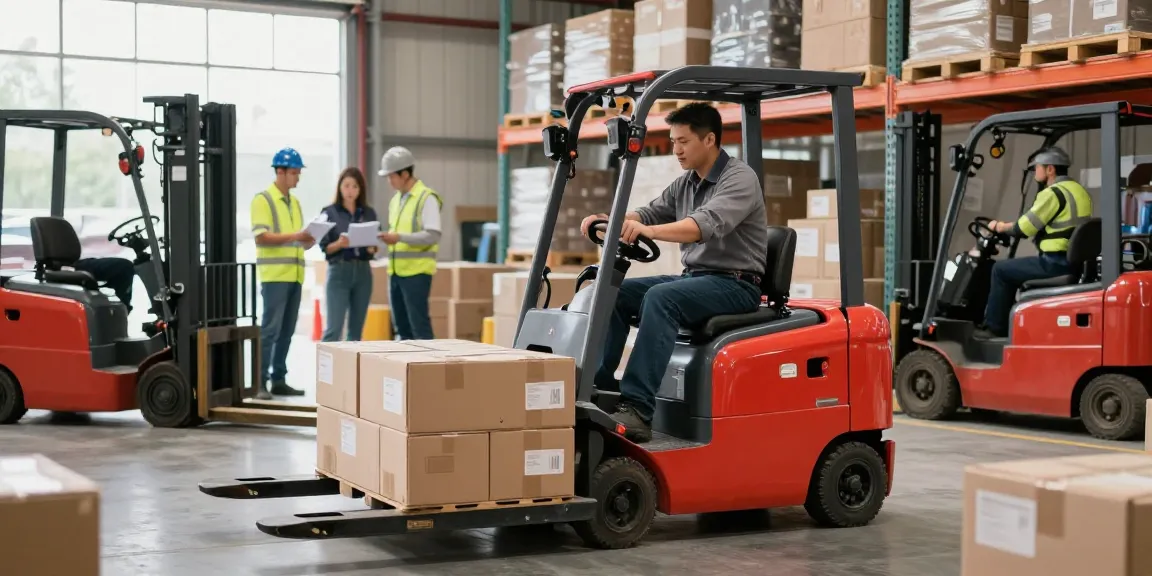
- Partnering with Reliable Carriers: Choosing logistics partners with proven track records in handling fragile goods.
- Utilizing Technology: Implementing software solutions for real-time tracking and forecasting can enhance efficiency.
These practices can help streamline logistics operations and improve overall distribution efficiency.
Shipping Considerations for Delicate Glass Products
Shipping mobile tempered glass requires special considerations to prevent damage during transit. Key considerations include:
- Secure Packaging: Using bubble wrap and sturdy boxes to protect products from shock and vibrations.
- Shipping Insurance: Investing in shipping insurance can mitigate risks associated with loss or damage.
- Temperature Control: Ensuring that temperature-sensitive materials are not exposed to extreme conditions during shipping.
Addressing these shipping considerations is crucial for minimizing losses and ensuring customer satisfaction.
Managing Supply Chain Risks in 2026
The year 2026 brings a new set of supply chain risks, including geopolitical tensions and fluctuating material costs. Retailers must be proactive in identifying and mitigating these risks through strategies like:
- Diversified Sourcing: Avoiding reliance on a single supplier for critical materials.
- Emergency Contingency Plans: Establishing backup plans to address potential disruptions in supply.
- Regular Risk Assessments: Continuously evaluating the supply chain for vulnerabilities can help identify potential risks before they escalate.
Proactive risk management can safeguard business operations and ensure product availability.
Legal and Compliance Considerations
Retailers must navigate various legal and compliance considerations in the mobile tempered glass industry. Understanding these regulations is essential to avoid potential pitfalls.
Regulatory Standards for Mobile Tempered Glass
Mobile tempered glass products are subject to various regulatory standards, which can vary by region. Ensuring compliance with these standards, including safety and environmental regulations, is crucial for maintaining market access.
How to Ensure Compliance in Wholesale Transactions
Compliance can be ensured in wholesale transactions by:
- Verifying Supplier Certifications: Ensure that suppliers adhere to relevant compliance standards.
- Documenting Transactions: Maintain clear records of transactions for audit purposes.
- Staying Informed: Keep abreast of changes in regulations that may impact product compliance.
Taking these steps can help mitigate legal risks in wholesaling.
Case Studies of Legal Issues in the Industry
Analyzing past legal issues within the mobile tempered glass industry can provide insight into potential pitfalls. For example, a case involving a major supplier faced legal action due to non-compliance with safety standards, leading to costly recalls and damage to their reputation. Retailers can learn valuable lessons from such cases to ensure better compliance and risk management practices.
What are the benefits of using tempered glass?
Tempered glass provides numerous benefits, including superior impact resistance, thermal stability, and safety features, making it an ideal choice for mobile devices. Retailers should emphasize these advantages when marketing tempered glass products.
How to choose the right supplier for mobile tempered glass?
Selecting the right supplier involves rigorous vetting processes, looking for quality certifications, and assessing product samples. It’s essential to build long-term relationships with trustworthy suppliers to ensure consistent quality.
What are the latest innovations in tempered glass technology?
Innovations such as the incorporation of anti-blue light coatings and self-healing capabilities are on the rise. Retailers should keep an eye on these developments to stay competitive and meet consumer demands.
How can retailers effectively market mobile tempered glass?
Effective marketing strategies include leveraging social media platforms to showcase products, using influencer partnerships, and emphasizing the unique features and benefits of the tempered glass being sold.
What are common myths about mobile tempered glass?
Common myths include misconceptions about the strength and durability of tempered glass compared to other materials. Educating consumers about the true benefits and capabilities of tempered glass can help debunk these myths and drive sales.